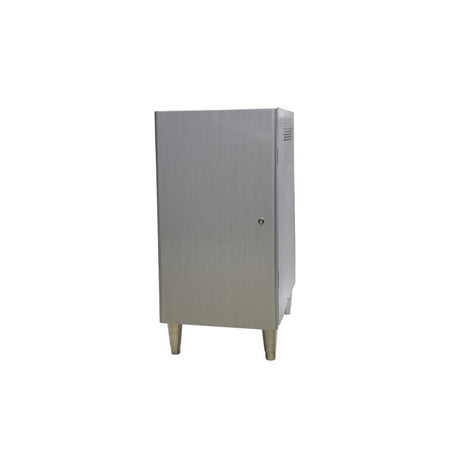
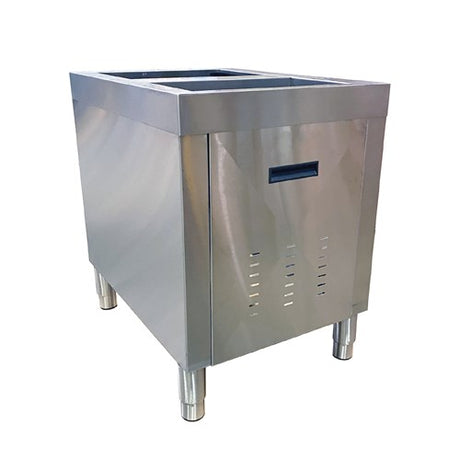
Ice maker stand options
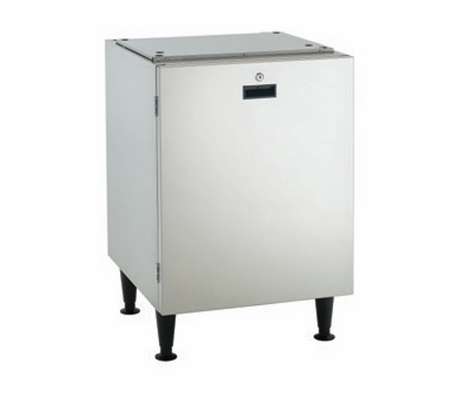
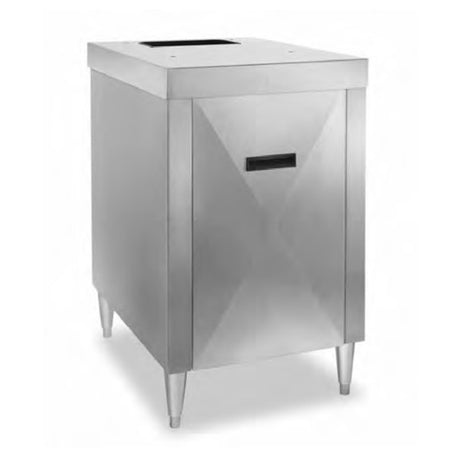
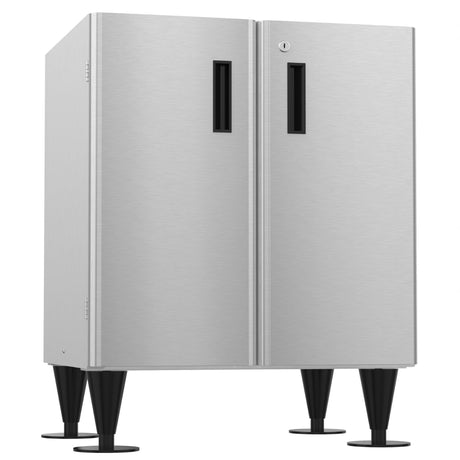
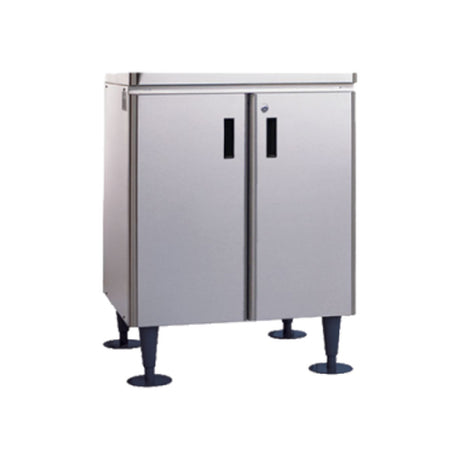
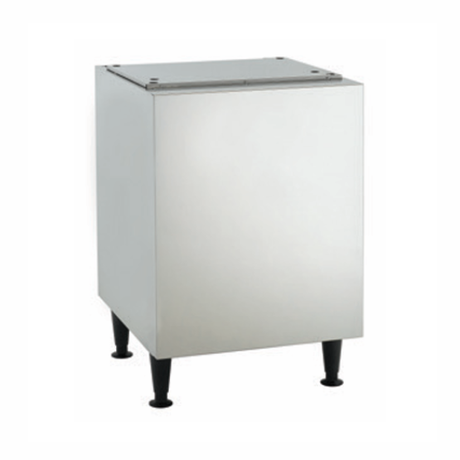
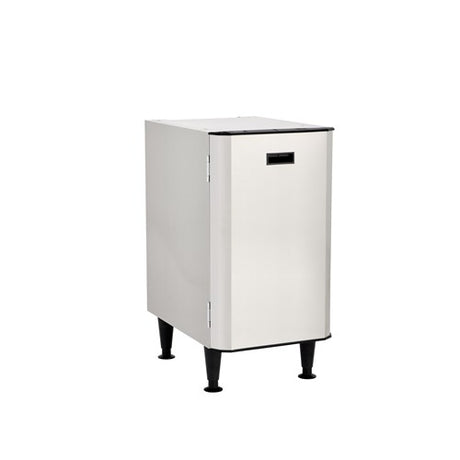
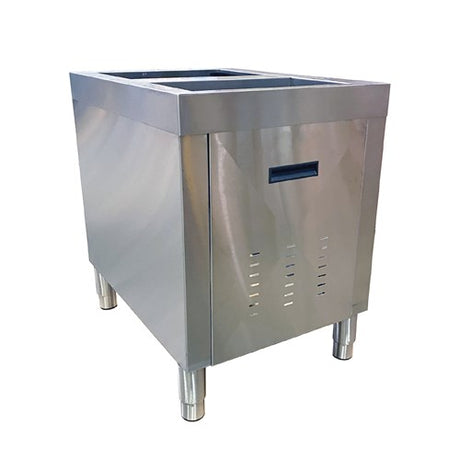
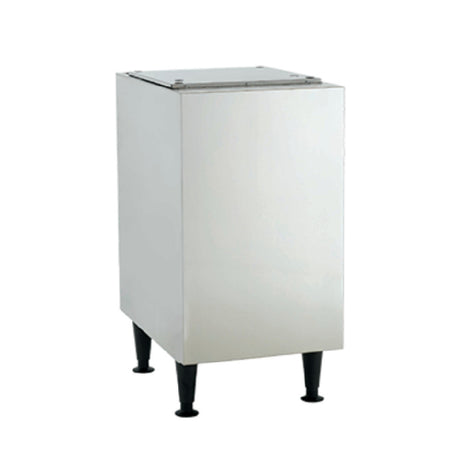
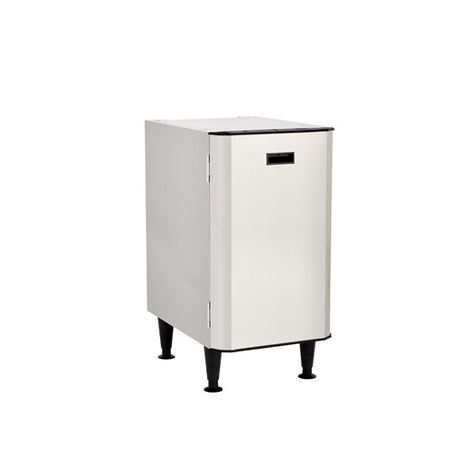
An ice maker stand provides a manufacturer-matched base for a compatible commercial ice maker or dispenser. Options range from low-profile adjustable platforms to full-height cabinets with enclosed storage. Compatibility matters most because these stands aren’t universal, even when the equipment dimensions appear to match.
Stand formats
- Models are available for specified Hoshizaki, Scotsman, Manitowoc, Follett, and Icetro ice makers and dispensers.
-
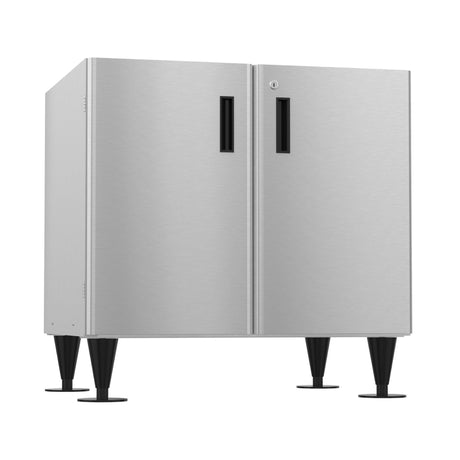
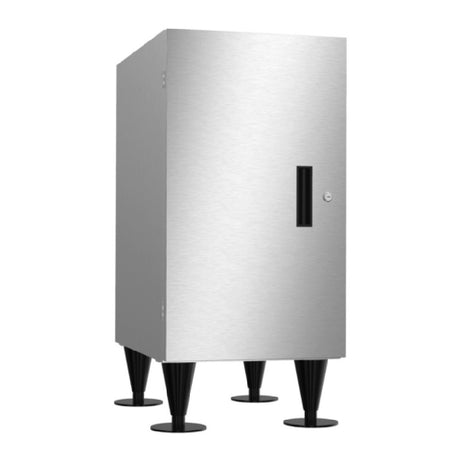
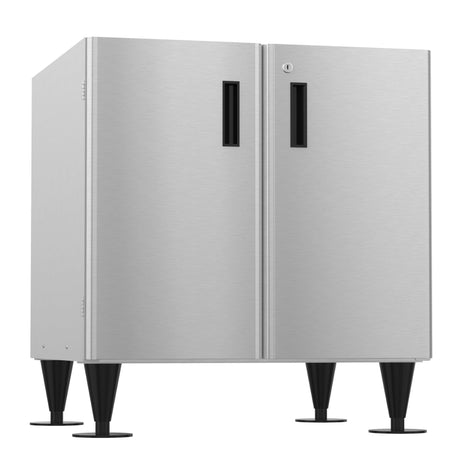
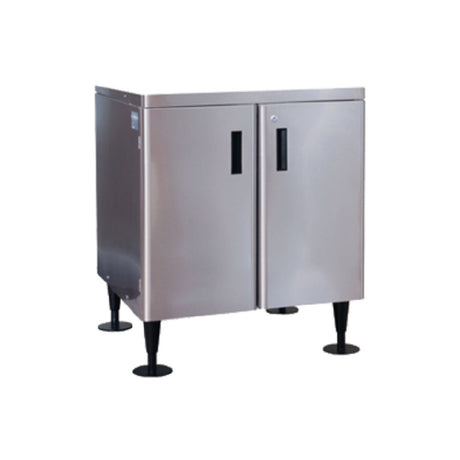
Hoshizaki SD-series stands
provide cabinet-style bases with locking doors for specified Hoshizaki ice maker and dispenser models.
-
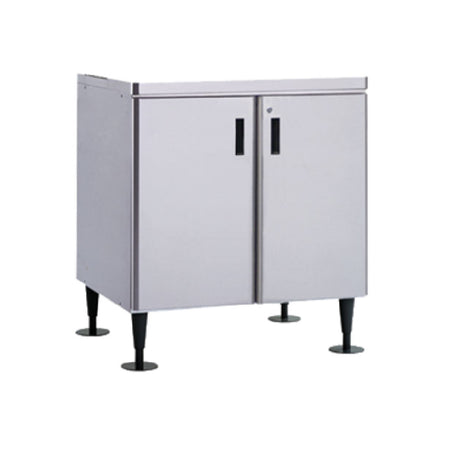
Scotsman ice machine stands
include HST models for compatible HID dispensers and IODST models for specified IOD dispensers.
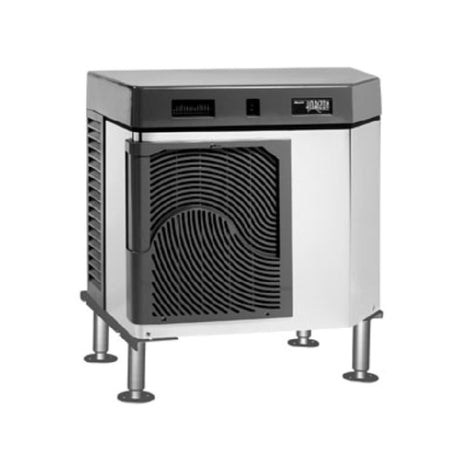
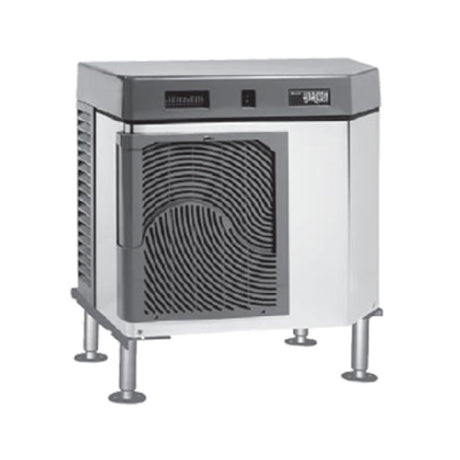
- Manitowoc and Icetro stands provide full-height bases for specified machines, while certain Follett stands use lower adjustable platforms.
- Materials and finishes vary by model. The collection includes stainless-steel and metallic-finish options, but not every stand provides a cabinet or enclosed storage.
- A stand supports and elevates compatible equipment. It doesn’t replace required water, drainage, filtration, or electrical connections.
Typical installations
- Commercial ice makers and dispensers requiring a manufacturer-approved floor-standing base.
- Healthcare, hospitality, office, and foodservice installations that need a dedicated dispensing station.
- Operations needing enclosed or locking storage beneath compatible equipment, where the stand provides it.
- Replacement projects requiring a stand specified for the exact ice maker or dispenser model.
- Sites adding an ice maker stand after confirming the finished height, equipment footprint, service access, and utility routing.
Compatibility checks
- Match the complete ice maker or dispenser model number to the stand’s published compatibility information.
- Confirm the stand dimensions, supported equipment, included legs or levelers, storage configuration, and any published load limits. Don’t match a stand by width alone or assume a generic equipment table is an approved substitute.
- Calculate the complete installed width, depth, and height, including the machine, stand, legs, handles, and any projecting connections.
- Check door swing, cup clearance, overhead space, and access to filters, panels, air intakes, exhaust openings, and removable components.
- Plan routes for potable water, drainage, filtration, and electrical connections. Keep hoses and cords clear of doors, sharp edges, heat, and ventilation openings.
- Don’t allow the stand, stored supplies, or utility lines to obstruct the machine’s airflow or service panels.
- Install the stand on a level, structurally sound floor, and follow the manufacturer’s instructions for leveling, legs, casters, flanges, and anchoring.
- If accessibility applies, verify the finished dispensing height, reach range, controls, and clear floor space for the complete machine-and-stand configuration.
- Use the equipment outdoors only when both the stand and mounted machine are specifically approved for the site conditions.
- Follow local plumbing, electrical, sanitation, seismic, and anchoring requirements. Use qualified installers for utility connections or permanent anchoring.
Pair the stand with a compatible
commercial ice maker and water dispenser
,
and review our
commercial ice machine guide
before finalizing output, utilities, placement, and installation.
Ice maker stand FAQs
Is an ice maker stand universal?
−
No. Equipment stands are normally designed for specific ice maker or dispenser models. Matching widths don’t prove compatibility because mounting points, cabinet depth, utility routing, airflow, weight distribution, and required service access may differ.
Does a stand-alone ice maker need a water line?
+
Most commercial ice makers need a potable-water connection, approved drainage, and electrical service. Some ice-only dispensers and manual-fill machines have different requirements, but mounting equipment on a stand doesn’t change its specified utilities.
Where should an ice machine and stand be installed?
+
Install the equipment in a location permitted by both manufacturers, on a level and structurally sound floor near the required utilities. Preserve the specified airflow, drainage slope, service clearance, overhead access, and safe traffic space around the complete assembly.
Can an ice machine and stand be installed outside?
+
Only when both products are specifically approved for outdoor installation and the site remains within their operating limits. Indoor commercial equipment shouldn’t be exposed to rain, freezing conditions, direct weather, or temperatures outside the manufacturer’s published range.
Does an equipment stand use electricity?
+
No. A standard equipment stand has no powered components. The mounted ice maker or dispenser may require electricity, potable water, drainage, and filtration, so verify the utilities for the complete installation instead of treating the stand as a self-contained system.