Ice machine cleaner guide
Match each ice machine cleaner to the equipment brand, model, materials, and required maintenance step. This collection includes liquid and powder descalers, a powder rinse, a model-specific slime inhibitor, and Follett cleaning accessories in individual, multipack, and bulk formats.
Cleaner options
-
Marston Chemical nickel-safe liquid cleaner is available in
32-ounce
and
1-gallon
containers. Both are concentrated scale removers intended for use in food areas.
-
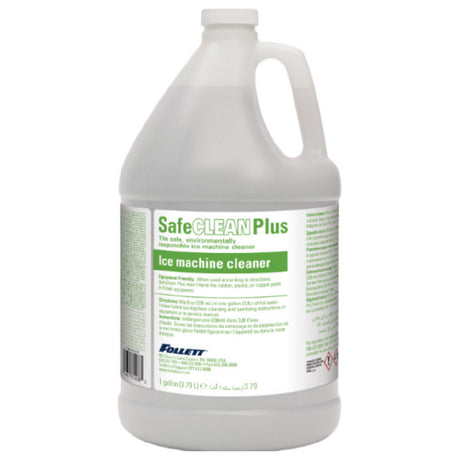
Follett SafeCLEAN Plus comes in
single,
six-, and 24-count packages of 8-ounce bottles, plus
cases containing four 1-gallon bottles.
Follett lists SafeCLEAN Plus for its ice machines and ice-and-water dispensers when used according to the applicable instructions.
-
Atosa offers a 48-count
powder descaler
for removing mineral deposits and a separate 48-count
powder rinse
for compatible Atosa maintenance procedures.
-
The
Manitowoc K00206 CleanAir pack
is a 30-day slime-inhibitor refill for compatible S and Q Series machines. It doesn’t remove mineral buildup or replace scheduled cleaning and sanitizing.
- Follett SaniSponge options include a 24-sponge package and a four-sponge kit with a plunger for compatible Follett cleaning procedures.
Common uses
- Restaurants, hotels, healthcare facilities, bars, and institutional kitchens
- Operations removing mineral scale from compatible commercial ice equipment
- Maintenance teams purchasing individual, multipack, or bulk formats
- Facilities following manufacturer-specific cleaning and preventive-maintenance programs
Safety checks
- Match the ice machine cleaner to the complete machine model, evaporator materials, and manufacturer instructions.
- Distinguish among cleaner, descaler, rinse, sanitizer, slime inhibitor, and cleaning accessory. These products perform different jobs and aren’t interchangeable.
- Don’t assume that a nickel-safe formula works in every machine. Confirm the required chemical formulation in the model manual.
- Check the container size, case quantity, concentration, expiration information, and equipment compatibility before ordering.
- Follow the product label for protective equipment, dilution, contact time, rinsing, storage, and disposal. Don’t add extra chemical or combine separate products unless the manufacturer explicitly directs it.
- Discard ice before cleaning, prevent ice production during the procedure, and discard any batches required by the model manual before returning the machine to service.
-
Preventive products such as CleanAir don’t replace scheduled descaling, cleaning, or sanitizing. Review the manufacturer’s
commercial ice machine sanitation guidance.
Need the complete process? Read our
commercial ice machine cleaning guide
.
To help manage incoming-water conditions, compare
ice machine water filtration systems
or review
when to replace an ice machine water filter
.
Ice machine cleaner FAQs
Do ice machines need cleaning?
−
Yes. Commercial ice machines need scheduled cleaning and sanitizing, along with descaling when the model instructions or mineral buildup require it. Follow the machine manual and locally adopted food-code requirements, and clean sooner if you notice scale, slime, residue, odors, or declining performance.
What is the best solution for cleaning an ice machine?
+
The best ice machine cleaner is the manufacturer-approved product for the exact model and materials. Use the specified descaler for mineral deposits and a separate approved sanitizer when required. One chemical doesn’t automatically perform both jobs.
How do you clean an ice machine?
+
Follow the exact procedure in the model manual. The process generally includes stopping production, discarding the ice, running the approved cleaning or descaling cycle, cleaning removable food-zone parts, rinsing as directed, and sanitizing separately. Reassemble the machine, restart it, and discard any ice required by the instructions.
Can you run vinegar through an ice machine?
+
No, unless the manufacturer specifically permits vinegar for that model and procedure. Acidity, concentration, and material compatibility vary, so use the approved commercial cleaning product instead of an improvised substitute.
What are common ice machine cleaning mistakes?
+
Common mistakes include using the wrong chemical, mixing cleaner and sanitizer, guessing dilution ratios, skipping required rinsing, using abrasive tools, ignoring protective-equipment instructions, and assuming a self-clean cycle or preventive treatment replaces detailed manual cleaning.