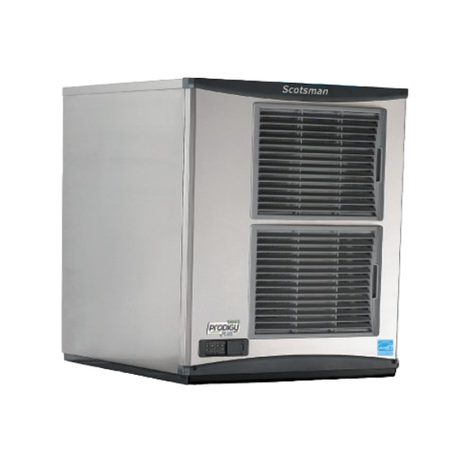
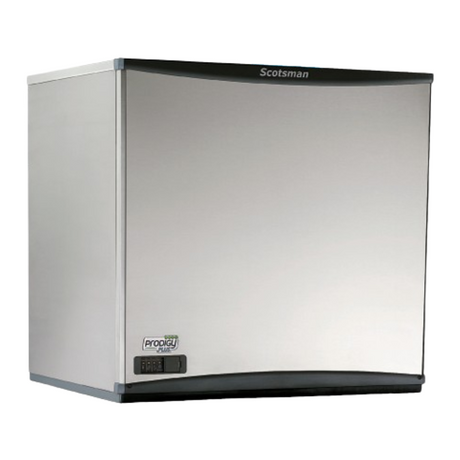
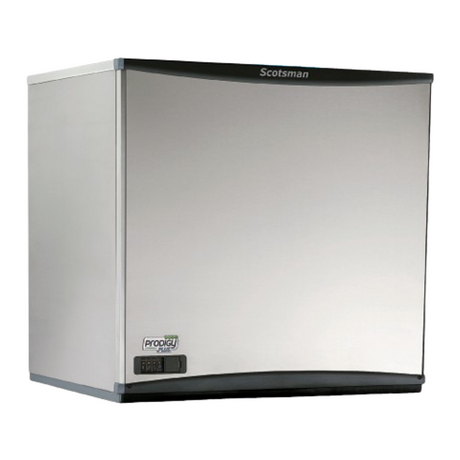
Scotsman nugget ice machine options
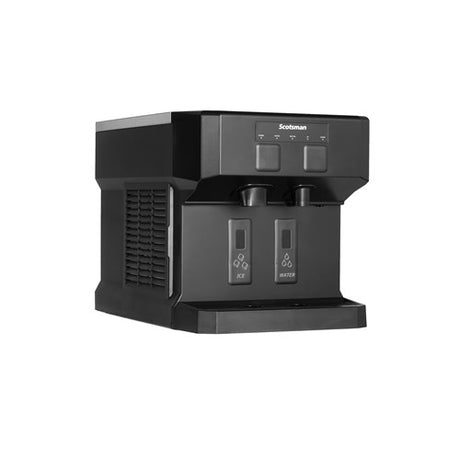
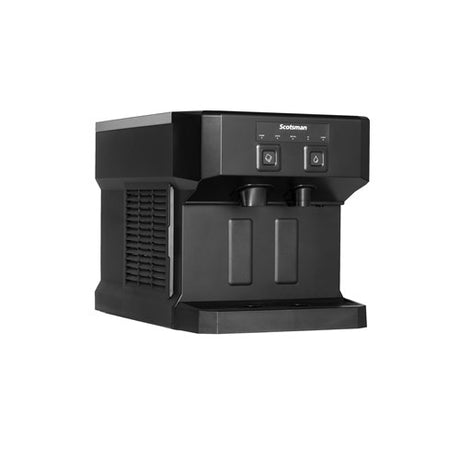
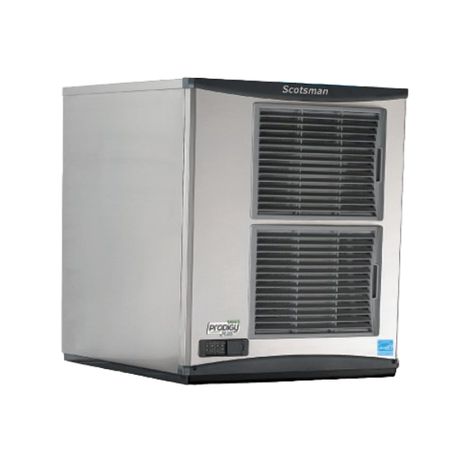
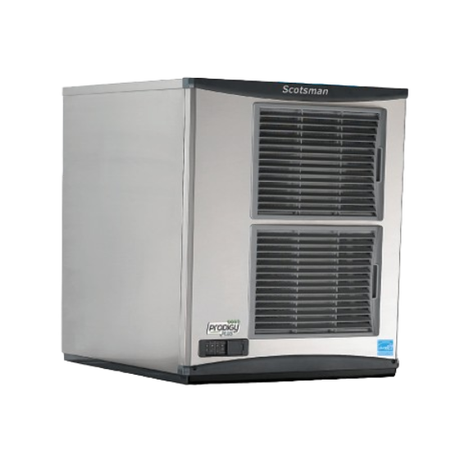
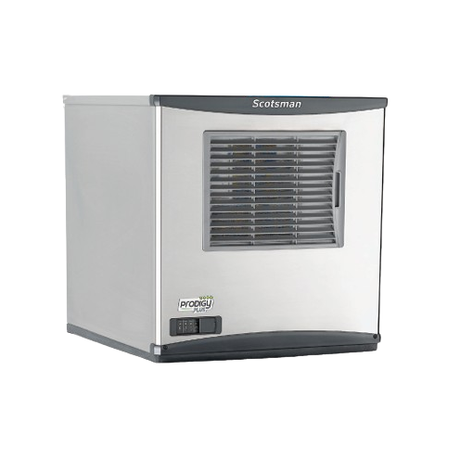
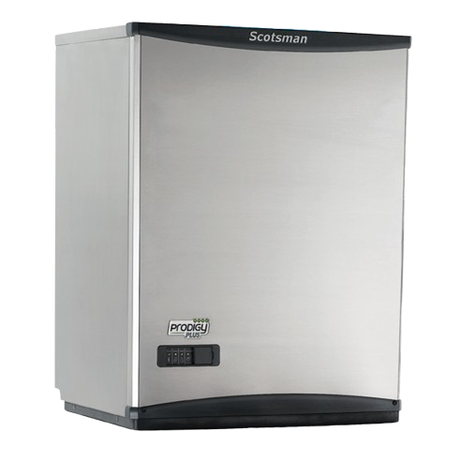
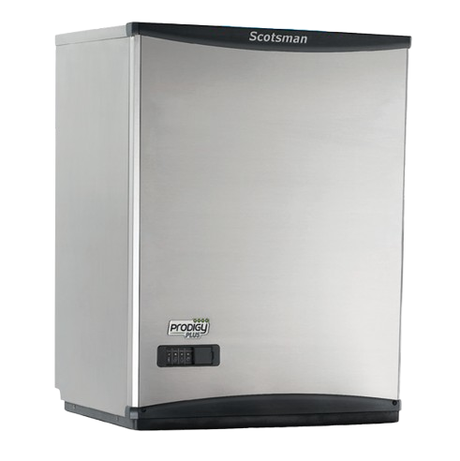
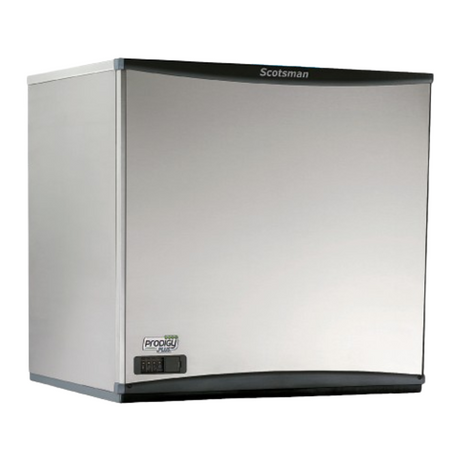
Shop a Scotsman nugget ice machine for soft, chewable ice in restaurants, healthcare facilities, hotels, and busy beverage programs. This collection centers on Prodigy Plus modular heads and includes select Meridian ice-and-water dispensers. Compare ice texture, daily production, cooling method, electrical requirements, storage, and dispensing format before ordering.
Product range
- Scotsman Prodigy Plus NS models make softer Original Chewable Nugget Ice, while NH models make firmer H² Nugget Ice.
- Prodigy Plus modular families cover several production ranges, widths, condenser configurations, and electrical requirements.
- Most Prodigy Plus models in this collection are modular heads that require compatible storage or dispensing equipment. Select Meridian models combine ice production and dispensing in one unit.
- Depending on the model, features may include AutoAlert indicator lights, stainless steel augers and evaporators, sealed maintenance-free bearings, and unit-specific QR codes for service information.
Applications
- Restaurants, cafés, stadiums, and high-volume fountain beverage programs.
- Hospitals, healthcare facilities, and patient hydration programs.
- Hotels, campuses, cafeterias, and institutional kitchens.
- Operations that need modular production paired with a properly sized bin or dispenser.
System requirements
- Confirm the equipment format. A modular head doesn’t include built-in storage, so it must be paired with a compatible bin, dispenser, and any required bin top or adapter.
- Size production and storage separately. Base demand planning on realistic air and water conditions because warmer operating temperatures can reduce output below the published maximum.
- Match the ice texture to the application. NS models make softer Original Chewable Ice, while NH models make firmer H² Nugget Ice.
- Match the condenser configuration to the site. Remote-cooled models require approved remote components, water-cooled models require condenser water and drainage, and remote low-side models require the specified external refrigeration system.
- Verify the complete model number, voltage, phase, dimensions, water supply, drainage, filtration, service clearance, and delivery path. Requirements can differ among similarly named configurations.
- Plan maintenance access before installation. Follow the model-specific manual and use only descaling and sanitizing chemicals permitted by Scotsman.
Need built-in storage? Browse
nugget-style undercounter ice makers
.
For planning help, read our
commercial ice machine sizing guide
or compare compatible
commercial ice bins
.
Scotsman nugget ice machine FAQs
Is Scotsman a good ice machine brand?
−
Yes. Scotsman is an established commercial ice-equipment manufacturer with specialized nugget systems, technical documentation, and service resources. Actual performance still depends on proper sizing, installation, water quality, and maintenance. Review the
official Scotsman nugget ice lineup
before ordering.
Which nugget ice machine is best?
+
The best Scotsman nugget ice machine is the model that meets peak demand, produces the preferred ice texture, matches the site’s cooling system and electrical service, and works with the required bin or dispenser. Compare complete model numbers because similar units can have different condenser and power requirements.
Why do hospitals use nugget ice?
+
Hospitals often use nugget ice because its small, soft pieces are easier to chew than solid cubes and can support beverages, hydration, and certain therapeutic applications. Nugget ice isn’t automatically safer, so facilities must follow infection-control procedures and all patient-specific swallowing, fluid, and dietary restrictions. See Scotsman’s
healthcare ice equipment
.
How often should you clean a Scotsman ice machine?
+
Follow the model-specific manual. Many Scotsman commercial machines require descaling and sanitizing at least twice per year, but water quality, usage, local sanitation rules, and machine alerts may require more frequent service. Use Scotsman’s
cleaning and maintenance resources
and only chemicals permitted by the manual.
What are common problems with Scotsman ice machines?
+
Common symptoms include low production, inconsistent ice, leaks, drainage trouble, unusual noise, freeze-ups, and shutdowns. Possible causes include scale, restricted water flow, blocked drains, dirty filters or condensers, bin-control faults, and refrigeration problems. Check the model’s alerts and manual, then contact an authorized
Scotsman service dealer
when professional diagnosis is needed.