Manitowoc undercounter ice machine guide
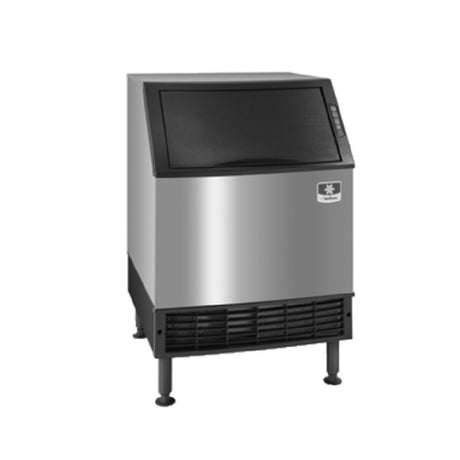
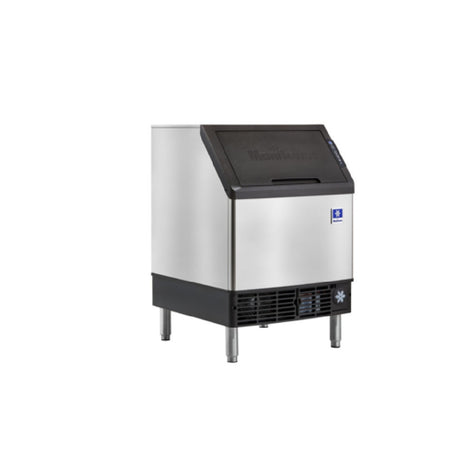
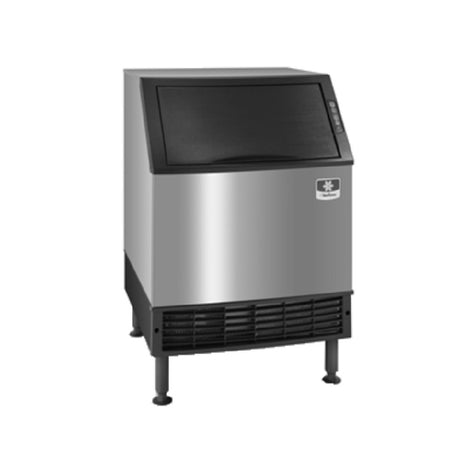
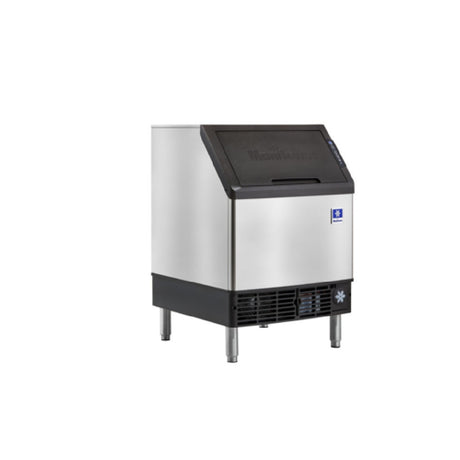
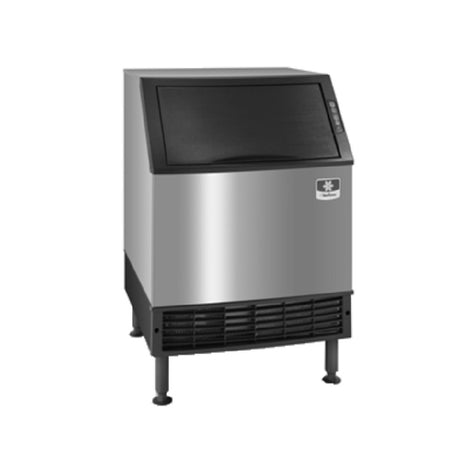
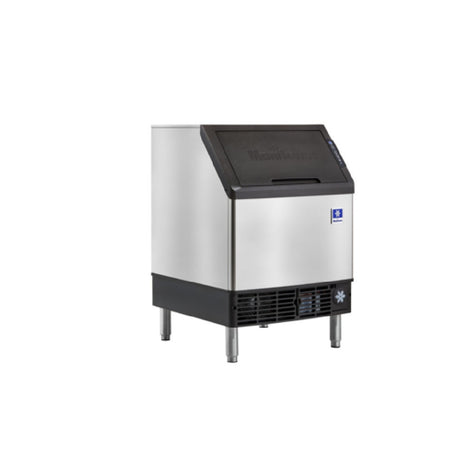
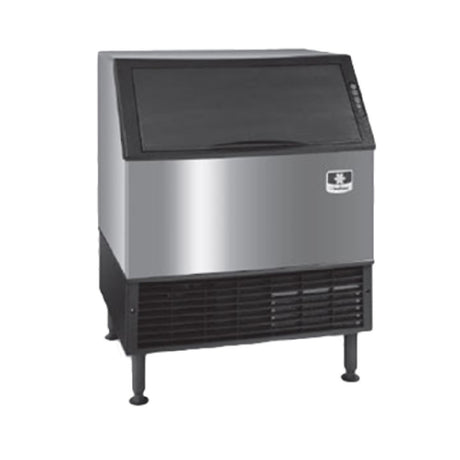
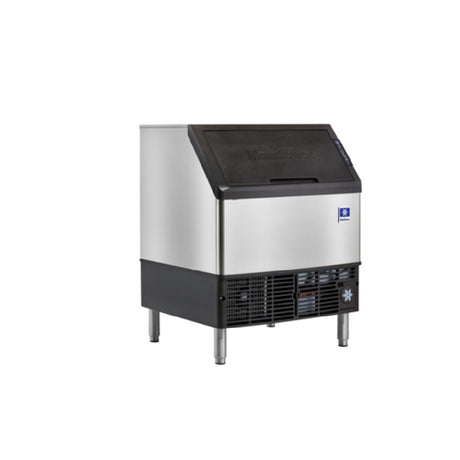
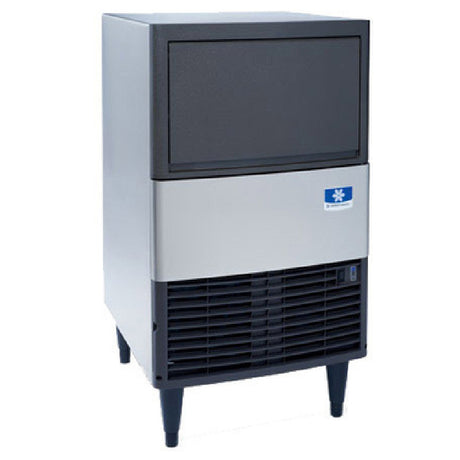
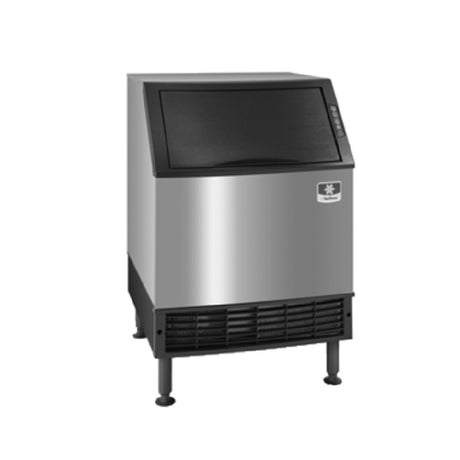
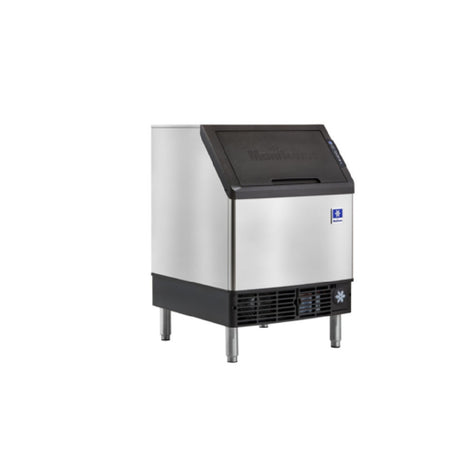
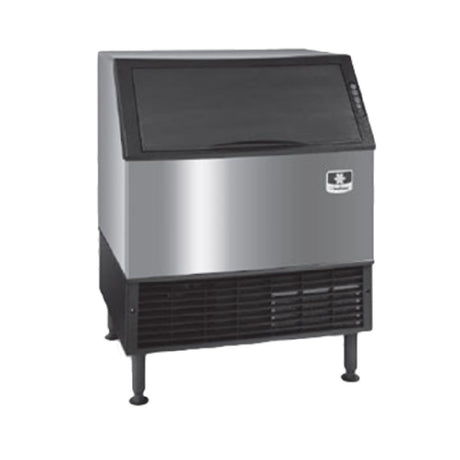
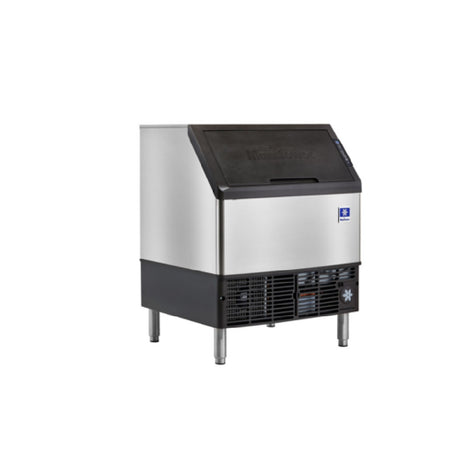
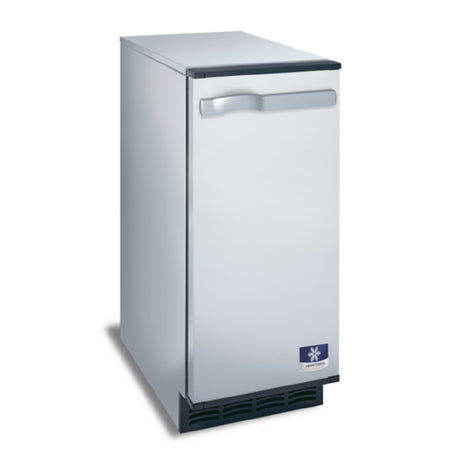
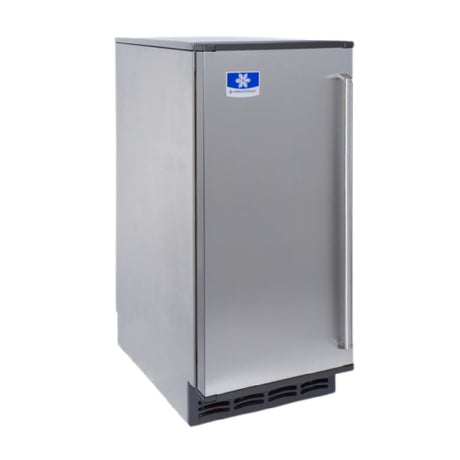
A Manitowoc undercounter ice machine combines ice production and built-in storage in one space-saving cabinet. This collection includes compact NEO units, larger NEO models with dice or half-dice ice, and CrystalCraft machines that make clear square cubes for premium beverages.
Models and ice styles
- The models currently listed are self-contained and air-cooled, with built-in storage and front-airflow configurations suited to undercounter or freestanding installation when model-specific clearances are maintained.
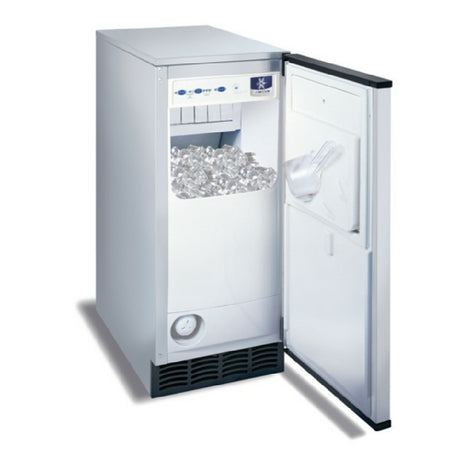
- NEO UDP models make dice ice, while UYP models produce narrower half-dice ice. The compact UDP0080A includes a 31-pound storage bin, front ventilation, and straightforward controls.
- Larger NEO 140, 240, and 310 families provide greater production and storage. The UYP0240A makes half-dice ice and includes a 90-pound storage bin.
- CrystalCraft models support premium beverage presentation. The 15-inch-wide USE0050A produces 1.5-inch clear square cubes and has an integrated water-filtration system.
- Many NEO models include electronic controls, full-bin and service indicators, production-delay settings, removable food-zone components, and a forward-sliding storage bin for service access.
Service applications
- Restaurants, bars, cafés, and concession counters
- Hotels, offices, clinics, and employee break rooms
- Cocktail bars requiring clear square ice for premium drinks
- Operations needing ice close to the point of service
- Sites with limited space and suitable water, electrical, drainage, and ventilation provisions
Installation checks
- Match the ice style to the menu. Dice ice suits general beverage service, half-dice ice packs tightly in cups, and CrystalCraft square cubes support premium presentation and slower dilution.
- Size production and storage separately. Plan around peak demand, and compare each model’s output at 90°F air and 70°F water instead of relying only on its maximum rating.
- Measure the opening and delivery route. Confirm cabinet dimensions, door movement, ventilation clearance, utility access, and room for cleaning and service.
- Plan the drain before delivery. Every model needs an approved drain connection, and only specified units accept an optional drain pump.
- Verify potable water, filtration, voltage, circuit requirements, plumbing connections, and drainage for the exact Manitowoc undercounter ice machine.
- Follow the model manual for descaling and sanitizing. Service indicators, integrated filtration, and removable components don’t replace scheduled maintenance.
Need more production with separate storage? Browse Manitowoc modular cube ice machines. For water treatment, compare Manitowoc ice machine water filters. Before delivery, review our commercial ice maker installation checklist.
Manitowoc undercounter ice machine FAQs
Are Manitowoc ice machines good?
−
Yes. Manitowoc is an established commercial ice-equipment manufacturer, and its undercounter lineup offers front ventilation, operating indicators, and accessible components. Reliable performance still depends on correct sizing, installation, water quality, cleaning, and qualified service. See the official Manitowoc NEO overview for current manufacturer information.
Is an undercounter ice maker worth it?
+
Yes, when you need ice near the point of use and the unit’s production and storage match demand. An undercounter model saves space by combining both functions in one cabinet. A modular machine with separate storage is generally more suitable for substantially higher-volume operations.
How much does a Manitowoc undercounter ice machine cost?
+
The cost depends on production, storage, cube style, cabinet size, and current availability. Budget separately for water filtration, plumbing, drainage, electrical work, delivery services, and any model-specific accessories. Review the current product-page price before ordering.
Do all undercounter ice makers need a drain?
+
Every model in this collection requires an approved drain connection for meltwater and cleaning water. Most NEO models use gravity drainage, while specified units such as the CrystalCraft USE0050A accept an optional drain pump. Confirm the model manual and local plumbing requirements before installation.
What are common problems with Manitowoc ice machines?
+
Common symptoms include low production, no ice, misshapen cubes, excess water, leaks, slow drainage, unusual noise, and service alerts. Possible causes include scale, restricted water flow, a dirty condenser or air filter, blocked drainage, high ambient temperatures, sensor faults, or refrigeration problems. Follow the model manual’s basic checks before arranging authorized service.